If your home still features a classic popcorn ceiling or a heavy textured finish, you may be sitting on a hidden opportunity: removing or repairing those surfaces can significantly enhance aesthetics, safety, buyer appeal—and ultimately your home value. Whether you’re preparing to sell or simply want a cleaner, updated look, understanding the full picture helps you make the right decision.
At Pristine Drywall we specialise in drywall installation & finishing, popcorn ceiling removal and textured ceiling repairs for Vancouver and the Lower Mainland. You can begin by requesting a free quote and we’ll walk you through the process, including whether removal or repair makes more sense for your space.
What Are Popcorn and Textured Ceilings and Why Did They Become Unpopular?
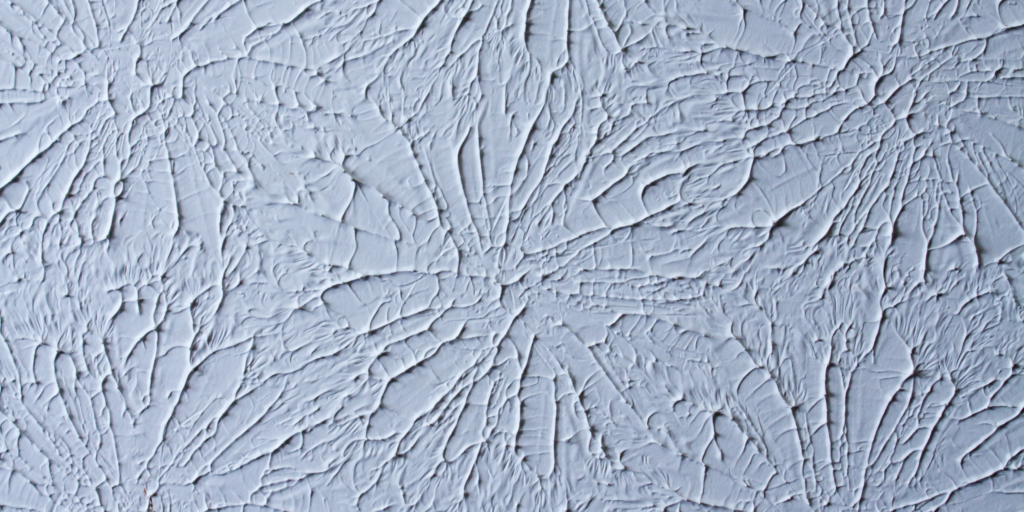
Popcorn ceilings (also called acoustic ceilings) and other textured finishes were widely used from the mid-20th century onward. They offered some distinct advantages:
- They hid imperfections and uneven drywall or plaster beneath.
- Some provided sound-absorbing benefits.
- They were quick and inexpensive to apply. For example, one source noted that popcorn texture was popular because it was “cost-effective finish that improved room acoustics and hid imperfections”.
- Over time, though, their disadvantages became more obvious. For instance:
- The surfaces are very difficult to clean and maintain.
- Many older popcorn ceilings may contain asbestos (if installed before around the late 1970s).
- The rough texture can trap dust, allergens, and degrade lighting/appearance.
- They have a dated aesthetic – and modern buyers often regard them as a negative.
For these reasons, popcorn and heavy textured ceilings often become a stumbling block in home renovations or resale. That’s where removal or repair becomes a high-value opportunity.
The benefits of removing or repairing textured ceilings
1. Modernise the look & increase appeal
Removing a popcorn ceiling or refinishing a heavy texture gives a space an instant clean, modern appearance. Light reflects more evenly, corners appear crisp, and the visual height and openness of a room can feel improved. One article stated:
“Removing a popcorn ceiling typically increases your home value … it eliminates a feature that may not be appealing to the majority of buyers today.”
When you’re preparing your home for sale or even just giving it a fresh look, that update can resonate with buyers who are looking for move-in-ready spaces.
2. Improved lighting and ambience
Heavy texture can create shadows and uneven light distribution, making rooms feel darker or less inviting. Removing the texture allows more natural light to reflect and provides a fresher feel. According to experts:
“Popcorn ceilings significantly impact the lighting in a room … light bounces off the bumpy surface and causes some harsh shadows.” Mark’s Painting
Better lighting improves perceived space and quality.
3. Easier maintenance and cleaner surfaces
Textured ceilings accumulate more dust and allergens – the rough surface provides many hiding spots. Some reviews note:
“Popcorn ceilings trap dust, pet dander and other particles … removing them improves indoor air quality.” By removing or refinishing, you reduce maintenance effort and create surfaces that are easier to clean and keep looking fresh.
4. Addressing health & safety concerns
If your popcorn ceiling dates back to an era where asbestos might have been used, removal or proper encapsulation adds a safety benefit, which is a strong selling point. The fact that many buyers may request testing or factor in removal costs gives you an opportunity to exceed expectations by dealing with it upfront.
5. Boosting resale value & marketability
Homes with smooth, updated ceilings tend to attract more buyers and less negotiation over finish trades. Some sources estimate you might recoup most of your investment in ceiling removal, because potential buyers see the space as modernised. For example:
“Removing the popcorn ceiling also increases the value of your home … today’s home buyers much prefer the look of smooth ceilings.” While ceiling texture is just one of many finish factors, it’s often a noticeable one that influences first impressions.
How to assess your ceiling and decide: remove, repair, or live with it
When deciding whether to remove or repair, consider the following steps.
Step A: Age & composition
- If your home was built before the early-1980s and the ceiling has not been updated, test for asbestos or assume older materials may be present.
- If the texture is cracked, peeling, stained, or visibly damaged, then the cost of matching repairs may be high. One publication notes: “Fixing damage on a popcorn ceiling is expensive because you must match the texture perfectly or the repair stands out.” Multi Trade Building Services
Step B: Condition of the surface
- Are there water stains, sagging or soft areas? If yes, underlying issues may necessitate removal and full renovation anyway.
- Is the texture intact? Even intact old texture can look dated, but condition also matters for cost effectiveness.
Step C: Intended use / buyer expectations
- If you plan to sell soon, removing the texture may give better return because of market expectations.
- If you are staying long-term but hate the look, removal adds value to your enjoyment of the space.
Step D: Cost vs value analysis
- Get quotes for removal/skim coat vs patching repairs.
- Compare cost with likely return: one article estimated cost of removal typical ~$900-$2,500 depending on size and asbestos presence.
- Consider the overall finish level of your home: if most other finishes are older, ceiling removal might be one of many updates; if finishes are already upgraded, ceiling removal may complete the look.
Step E: Decision matrix
- Live with it: If texture is in good condition, no asbestos risk, and budget is tight.
- Repair / skim coat: If minor damage in isolated areas, texture not too old, and you don’t mind the style.
- Remove & refinish: If the surface is outdated, contains damage or possible asbestos, you are preparing to sell or want a modern finish.
At Pristine Drywall, our team will assess your ceiling (including testing if needed), review your options and help you decide the best path for your space and budget.
What the removal or repair process involves
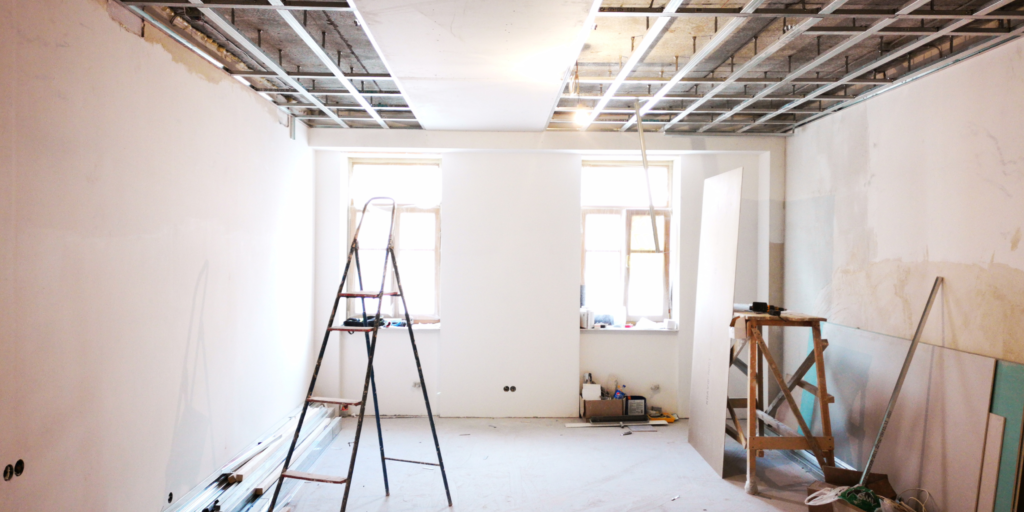
If you choose to remove or refinish your textured ceiling, here is how the process typically unfolds.
1. Site preparation
- We protect flooring, furniture, and adjacent surfaces.
- If asbestos is suspected, we follow proper safety protocols (testing, containment, disposal).
- Remove fixtures, cover skylights or vents, and seal off the space for dust control.
2. Texture removal or surface refinishing
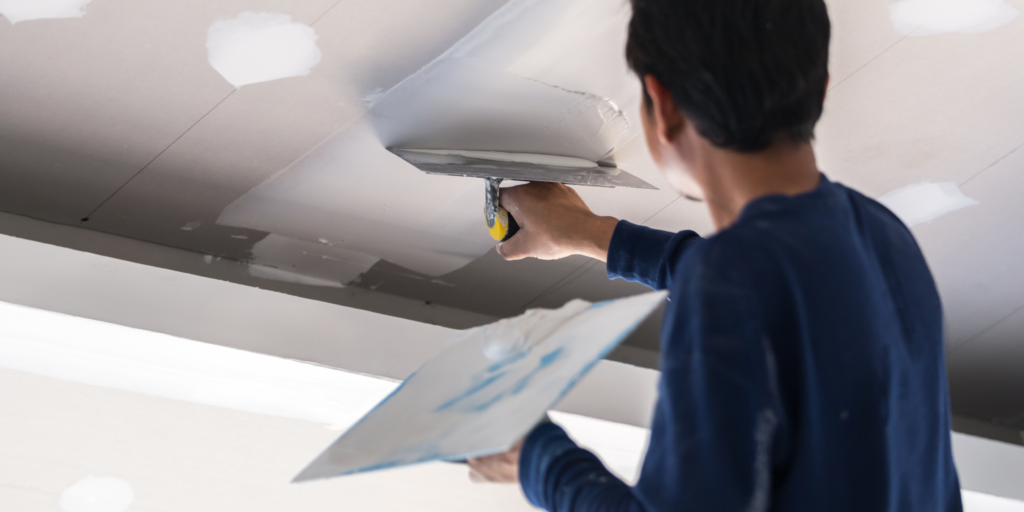
- For removal: the old texture is scraped off (often after moistening the surface), the underlying drywall or plaster is repaired if needed.
- For repair/skim coat: old texture is feathered out, damaged board or compound is replaced or repaired, then a skim coat is applied to provide a smooth surface.
3. Board repair or replacement (if needed)
- If the board is damaged, sagging or stained, the drywall may need partial replacement before finishing.
- At this point our drywall installation & finishing services come into play.
4. Sanding, priming & finishing
- After repairs/skim coat, surfaces are sanded smooth, cleaned and primed.
- A new finish is applied – flat or light texture or even a decorative finish depending on your preference.
- Trim, cornices and mouldings are refinished or replaced where needed.
5. Final inspection and quality check
- The space is inspected for flatness, finish quality, and dust cleaning.
- A walkthrough ensures you’re satisfied with the result — from surface smoothness to overall appearance.
6. Ready for occupancy or sale
- With new ceilings in place, rooms feel upgraded and more modern.
- If you’re preparing the home for sale, you’ll likely find improved buyer reaction and fewer objections to ceiling finish.
For a detailed look at our full drywall services including textured ceiling repair, board installation and finishing visit our services.
Cost & ROI: What to expect
- According to cost guides, removal of a popcorn ceiling may run $900-$2,500 or more depending on size, presence of asbestos and disposal requirements.
- While the aesthetic and value benefits are real, don’t expect ceiling removal alone to transform your home’s value dramatically — it’s one part of an overall finish quality. One expert noted:
“Removing a popcorn ceiling typically increases your home value … but you are likely to recoup the cost of hiring a local popcorn ceiling removal company, but not much else.”
- However, in markets where finish quality affects sale speed and buyer offers (like Vancouver), newer/smoother ceilings may reduce buyer objections, increase perceived value, and reduce time on market.
- For homeowners staying in the home, the benefit may be more personal (improved aesthetics, fewer maintenance hassles, better air quality) but still adds long-term asset value.
When you engage Pristine Drywall, we’ll provide a detailed quote including scope, timeline and expected finish – so you can compare cost vs benefit clearly.
Frequently Asked Questions
1. Are popcorn ceilings dangerous because of asbestos?
If your home was constructed or last redesigned before the late 1970s, the popcorn texture may contain asbestos. It’s essential to test before you disturb the ceiling. If intact and undisturbed, many experts recommend leaving it and encapsulating.
2. Can I just cover the popcorn ceiling rather than remove it?
Yes, some homeowners choose to cover the texture (with drywall overlays or panel systems) rather than remove it entirely. However, this may raise ceiling height, add cost and sometimes still creates a less-desirable finish. Also, buyers may still view it as a cosmetic compromise.
3. How long does the removal or refinishing process take?
Time depends on room size, texture condition and whether asbestos testing/disposal is needed. Often a single room can be done in 1-2 days; whole-house ceilings may take longer. Expect additional days for sanding, priming and finish coats.
4. What type of finish should I choose once texture is removed?
Many homeowners opt for smooth ceilings or light textures (like orange peel or knockdown) that still provide some visual interest but are far more modern. Your choice should align with your home’s overall design and budget.
5. Will ceiling removal raise my home value significantly?
While removing popcorn ceilings is beneficial, it is usually one of several finish upgrades. It can improve buyer perception and reduce objections, which may boost value or speed sale—but it’s not a guarantee of major gain on its own.
6. Can I DIY popcorn ceiling removal?
If no asbestos is present and you’re comfortable with the mess, some homeowners DIY. But it’s labour-intensive, dusty and the finish may suffer. Professionals ensure quality, dust control and safe disposal. As one source puts it: “Removing a popcorn ceiling is a complex task that requires specialized tools and strict safety protocols.”
Final thoughts
Textured and popcorn ceilings were once a quick fix for builders, but today they often look dated, make maintenance harder, trap allergens and may raise safety questions. Removing or repairing these ceilings is one of the smarter upgrades you can make, whether you’re preparing to sell, refreshing your space, or simply enhancing how you live.
If you’re in the Vancouver or Lower Mainland region and want an expert team to assess your ceilings, provide clear advice and deliver high-quality results, contact Pristine Drywall. Arranging a free quote is simple, and we’ll help you decide whether removal or repair is the right path for your home. A smoother, cleaner ceiling finish could make all the difference in feel, and value.