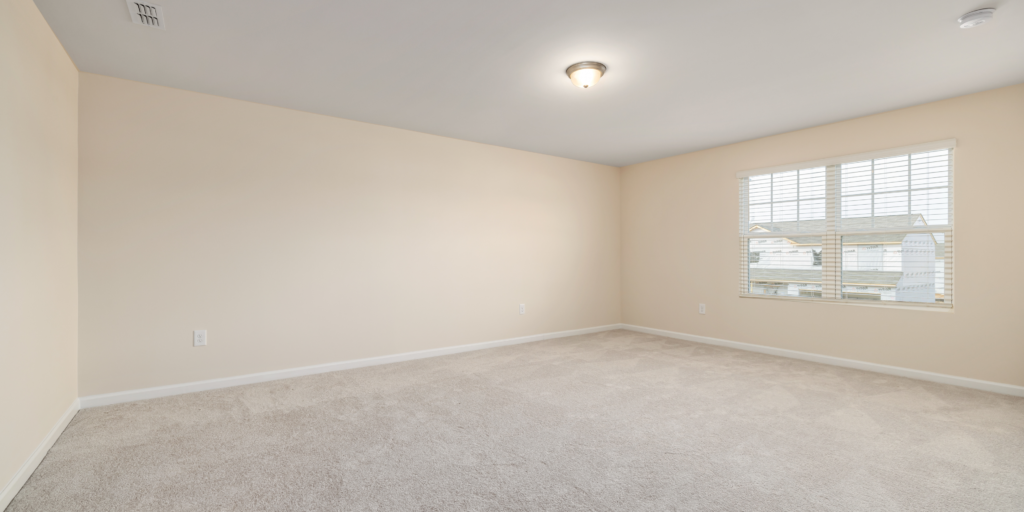
Walk into any freshly built home or modern office, and you’ll see the same clean, finished walls — but what’s behind those smooth surfaces is anything but identical. Commercial and residential drywall projects differ drastically in materials, structure, codes, and finishing levels.
At Pristine Drywall, we’ve handled both sides of the industry — from high-end home interiors to complex office installations. Knowing the difference between residential and commercial drywall helps you make better decisions for your space and budget.
If you’re planning a renovation or new build, you can request a free quote today — we’ll guide you through the right drywall system for your project type.
What drywall actually does (in both homes and businesses)
Drywall, or gypsum board, is the foundational surface for nearly every wall and ceiling. It’s valued for its smooth finish, easy paintability, sound control, and fire resistance.
But the demands placed on drywall vary depending on where it’s used. Residential drywall focuses on comfort and aesthetics, while commercial drywall emphasizes performance, safety, and code compliance.
According to a Gypsum Association construction guide commercial drywall systems must meet stricter fire and acoustic standards a key reason the materials and installation processes differ significantly.
Scale and structure: Size and complexity matter
Residential Drywall
- Typically used in houses, condos, or small multifamily units.
- Smaller-scale jobs with flexible layouts and decorative finishes.
- Ceilings usually between 8–10 feet high.
- Installation focuses on precision and beauty — with plenty of detail work around windows, doors, and trims.
Commercial Drywall
- Found in offices, hospitals, schools, and retail stores.
- Larger projects require extensive wall systems, acoustic control, and fire-rated assemblies.
- Walls often exceed 12 feet in height, requiring scaffolding or lifts.
- Requires advanced project management and multiple trade coordination.
Our team at Pristine Drywall has the tools, manpower, and expertise to manage both whether you’re upgrading your home or constructing a multi-floor commercial facility. Visit our Services page to see our full range.
Materials: Fire, sound, and durability
Residential drywall materials:
- ½-inch standard gypsum board (for general rooms).
- Moisture-resistant (green board) in bathrooms or basements.
- Soundproof drywall for bedrooms or media rooms.
- Lightweight drywall for faster installation and easier handling.
Commercial drywall materials:
- ⅝-inch Type X fire-rated drywall, mandated by code for safety.
- Impact-resistant drywall in hallways or schools.
- Acoustic drywall with soundproofing core layers for meeting rooms.
- Mold- and moisture-resistant panels for healthcare or restaurant environments.
- Lead-lined drywall for hospitals or labs requiring radiation shielding.
Commercial settings often require specialized materials not found in residential builds, ensuring fire resistance and longevity under heavy use.
Framing: Wood vs. steel
Residential framing:
Homes almost always use wood studs affordable, easy to cut, and naturally insulating. Wood suits small structures and provides flexibility for remodeling.
Commercial framing:
Steel stud framing is standard in commercial projects because it’s lighter, non-combustible, and dimensionally stable.
- It resists fire, pests, and moisture.
- Maintains straightness over long spans.
- Integrates seamlessly with suspended ceilings and mechanical systems.
Pristine Drywall provides professional steel stud framing and drywall installation throughout Vancouver and the Lower Mainland.
Installation and technique differences
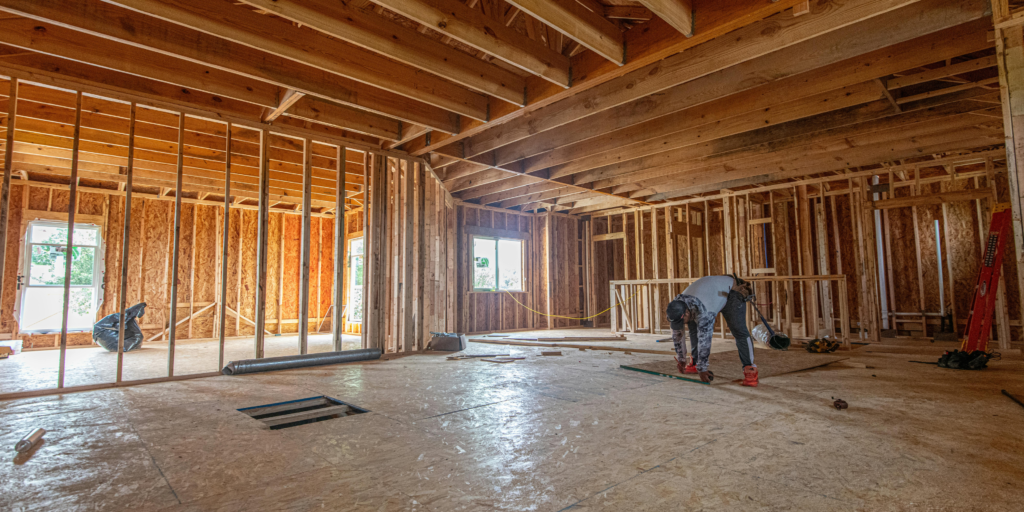
Residential installation
- Panels are cut and fitted manually, often using smaller 4×8 ft boards.
- Emphasis on detail — clean corners, perfect seams, and smooth finishes.
- Typically completed in under a week for average homes.
Commercial installation
- Uses larger boards (4×12 or 4×16 ft) to minimize seams.
- Requires lifts, scaffolding, and mechanical fastening systems.
- Crews follow strict timelines to coordinate with electricians, plumbers, and HVAC installers.
Commercial drywall crews focus on efficiency and consistency across large surfaces, while residential installers focus on precision and aesthetics.
Codes and compliance
Building code compliance is another major differentiator.
Residential drywall:
- Simpler code requirements, focusing on insulation and moisture control.
- Fire-rated walls often limited to garage or basement areas.
Commercial drywall:
- Must comply with fire, acoustic, and accessibility codes.
- Often subject to multiple inspections (framing, firestopping, final).
- Projects may include fire-rated assemblies between tenant units or floors.
Because of these factors, commercial projects demand a contractor experienced with local regulations — one like Pristine Drywall, serving Vancouver and surrounding regions for years.
Aesthetic and performance goals
Residential drywall aims for beauty, comfort, and customization. Homeowners want crisp walls and decorative ceilings that reflect personal style.
Commercial drywall focuses on performance — balancing durability with design. Smooth, seamless surfaces enhance professional appearance while ensuring acoustic and fire performance.
For either type, proper installation and finishing are critical to long-term results and lower maintenance costs.
Why choosing the right drywall contractor matters
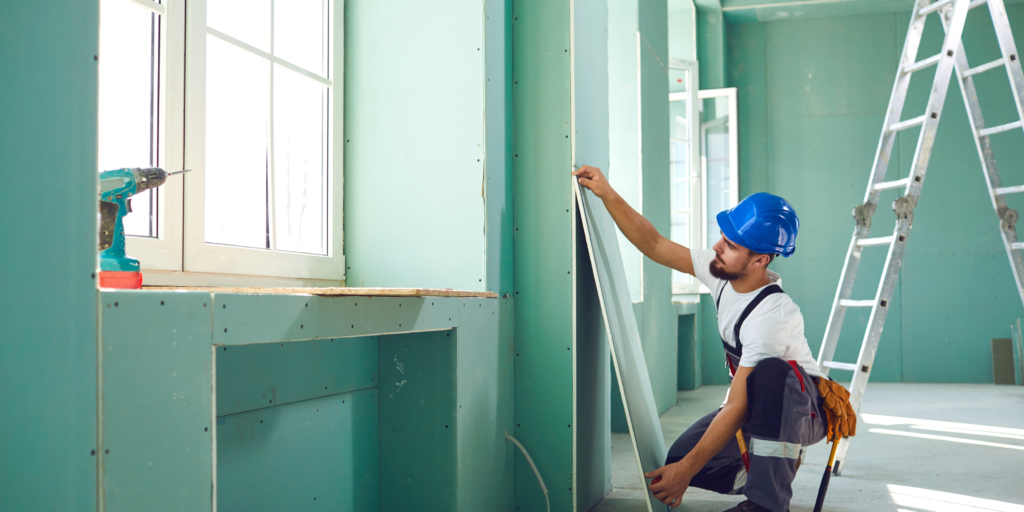
Drywall might look simple, but it’s a detailed process that affects everything from aesthetics to building safety.
Choosing a contractor with experience in both commercial and residential drywall ensures:
- Proper material selection for your project type.
- Code compliance and safety documentation.
- Efficient scheduling and communication with other trades.
- Long-lasting, seamless results that add value.
At Pristine Drywall, we’re proud to offer both residential and commercial expertise — with skilled crews, modern equipment, and a reputation for quality across Vancouver and the Lower Mainland.
Frequently Asked Questions (FAQs)
1. What’s the main difference between commercial and residential drywall?
Commercial drywall uses heavier materials, steel framing, and stricter fire and sound requirements, while residential drywall focuses on comfort and aesthetics.
2. Do both types use the same drywall boards?
No — homes typically use ½-inch standard board, while commercial projects use ⅝-inch fire-rated drywall.
3. Why is commercial drywall more expensive?
Costs are higher due to fire-rated materials, steel framing, and code compliance requirements.
4. Can I use residential drywall in a small office?
It depends on building codes. Some smaller commercial spaces can use standard drywall if no fire separation is required, but always confirm with your contractor.
5. How long do commercial drywall projects take?
Timelines vary by scale — from a few weeks for small offices to several months for large buildings.
6. Do both types need insulation behind drywall?
Yes, though for different reasons: residential for energy efficiency and sound control; commercial for fire ratings and acoustics.
Final Thoughts
Though they use the same core material, commercial and residential drywall differ greatly in purpose, process, and performance. Commercial work is all about safety and durability; residential focuses on aesthetics and comfort.
At Pristine Drywall, we bring decades of experience to both worlds delivering expert drywall installation, finishing, and textured ceiling work across Vancouver and the Lower Mainland.
Start your project with confidence. Contact our team today for a free consultation and see how our craftsmanship can make a difference.